

Postural Effects of Vestibular Manipulation Depend on the Physical Activity Status
This article explores the Vestibular System and its effects on posture and eye movement between two groups: one group being the active group and one being the sedentary group.
The Effect of Spinal Mobilization With Leg Movement in Patients With Lumbar Radiculopathy
This double blind randomized controlled trial demonstrated the effects of spinal mobilization with leg movement (SMWLM) on low back pain. This is a very promising way to help people dealing with this sensation because it is a double blind randomized control trial which limits subjective biases thus increasing validity.
Breathing Pattern Disorders and Functional Movement
This research article examines the relationship between Breathing Pattern Disorders (BPD) and functional movement and identify correlations between different measures of BPD.
Postural Functions of the Diaphragm and its Movement in Persons With Low Back Pain
In this research article, the author examines the differences in the movement of the diaphragm in persons with and without chronic low back pain. The diaphragm has certain functions to help take the stress off of the low back during movement, however, when that muscle is unable to fully move in all ranges of motion, other spinal stabilizers have to take over.
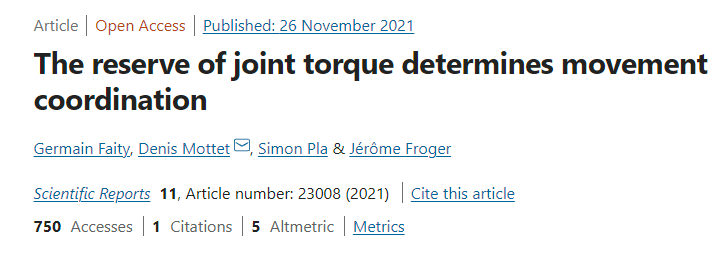
Trunk recruitment in relation to shoulder movement
In this research article, the authors explore the reasons your trunk is incorporated in upper body movements. This is important, especially to elevate, because lack of trunk rotation may lead to more stress on the shoulder joint and may lead to neck muscle compensations.
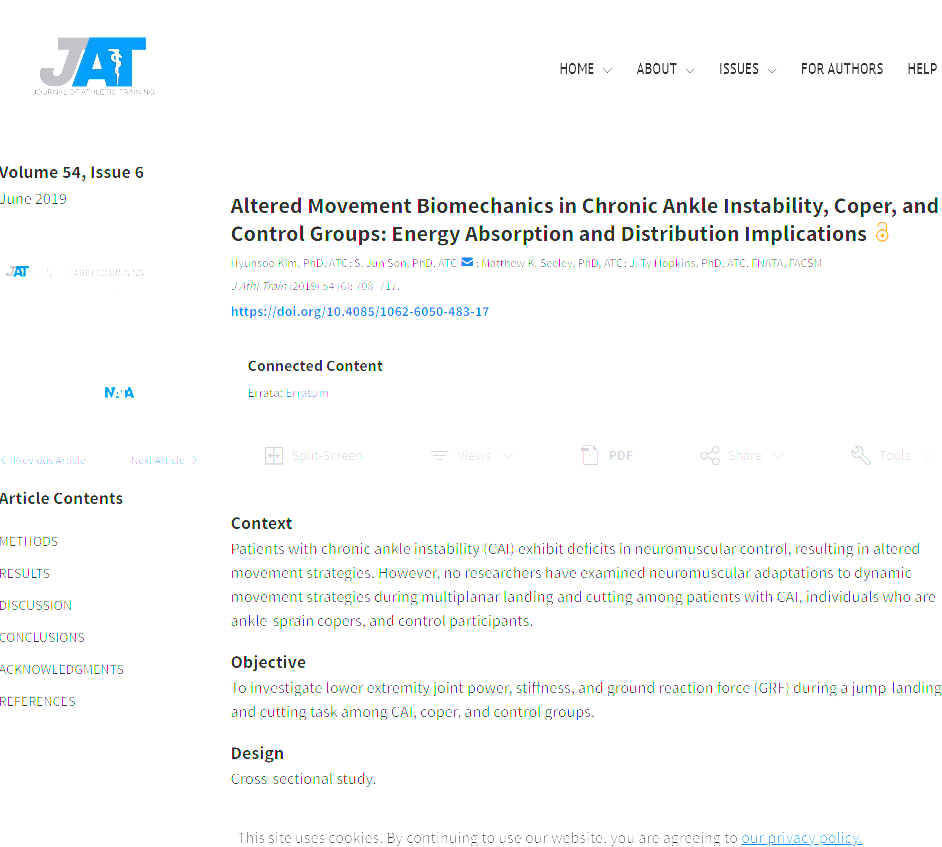
Ankle Stability Importance
Strengthening your ankles will have positive effects on the load transfer from distal (ankle) to proximal (knee and hip) joints. When the ankle is unstable, there presents a lack of stiffness in the joint and the force absorption throughout the chain is not as efficient.
This article attached discusses the movements in this research study that were tested and their findings from it.
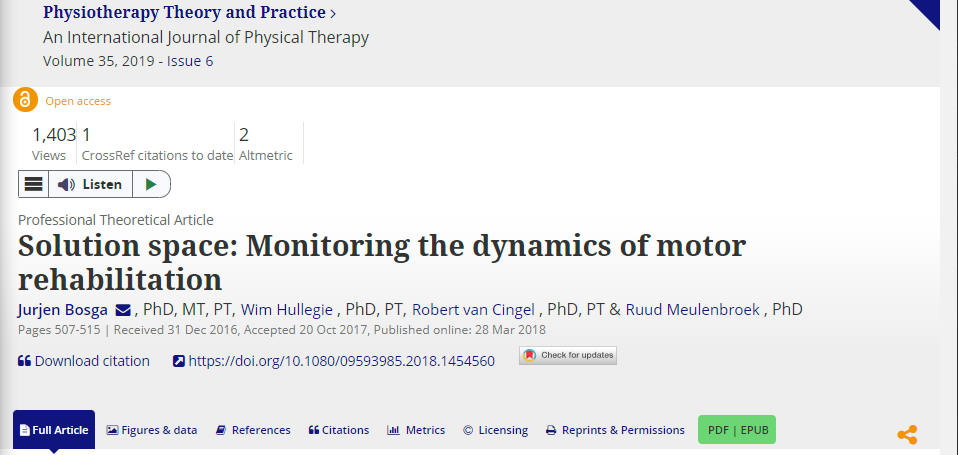
Increasing solution space to help with movement
The more we increase the solution space, the better we adapt and the better we move. Please press read more for access to this research article and for more information on solution space.